
There’s something special about driving through a neighborhood that feels like it’s always belonged there. The streets feel welcoming, the homes complement one another, and there’s a sense of place that goes beyond the houses themselves.
But does it really take decades for a neighborhood to develop that feeling?
Not necessarily.
Some of the most thoughtfully designed new home communities are planned with that sense of belonging in mind from the very beginning. Rather than waiting for a neighborhood to develop its identity over time, builders and developers can make intentional decisions about how homes, streets, landscaping, and shared spaces come together.
For homebuyers considering a community like Story House Village in Sheridan, Wyoming, understanding these details can make all the difference when choosing where to call home.
A Neighborhood Needs More Than Beautiful Houses
A collection of beautiful homes doesn’t automatically create a great neighborhood.
Think about the places you’ve enjoyed visiting or living in. Chances are, what made them memorable wasn’t just the architecture. It was how everything worked together.
The relationship between homes, streets, sidewalks, landscaping, and open spaces can influence how comfortable and connected a neighborhood feels.
In established neighborhoods, these elements often develop over generations. In newer developments, they can be considered during the planning process.
That’s one of the advantages of thoughtfully designed new home communities. There’s an opportunity to consider the neighborhood as a whole, rather than simply focusing on individual houses.
Architectural Variety Creates Character
One reason older neighborhoods often feel inviting is that the homes have personality.
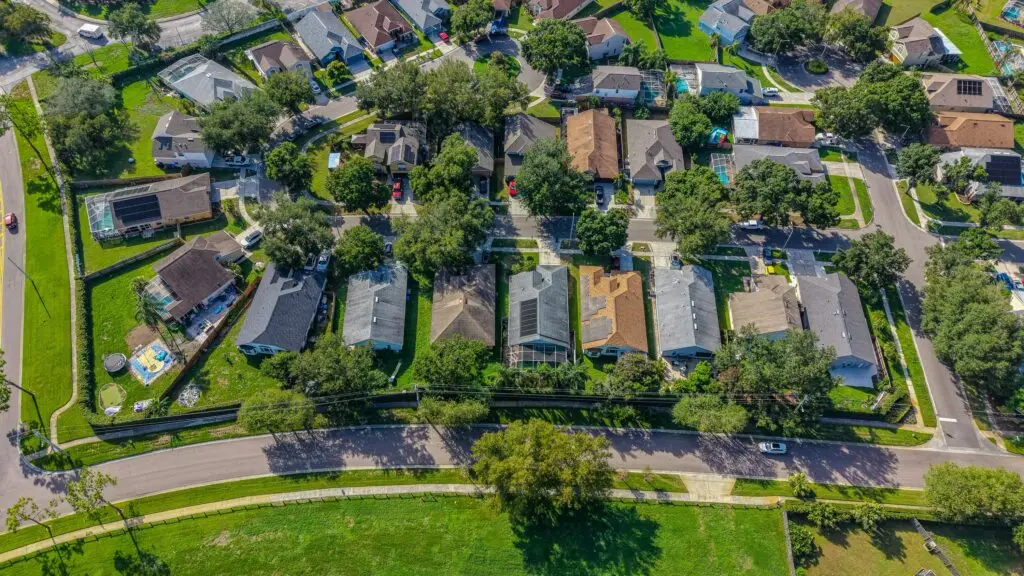
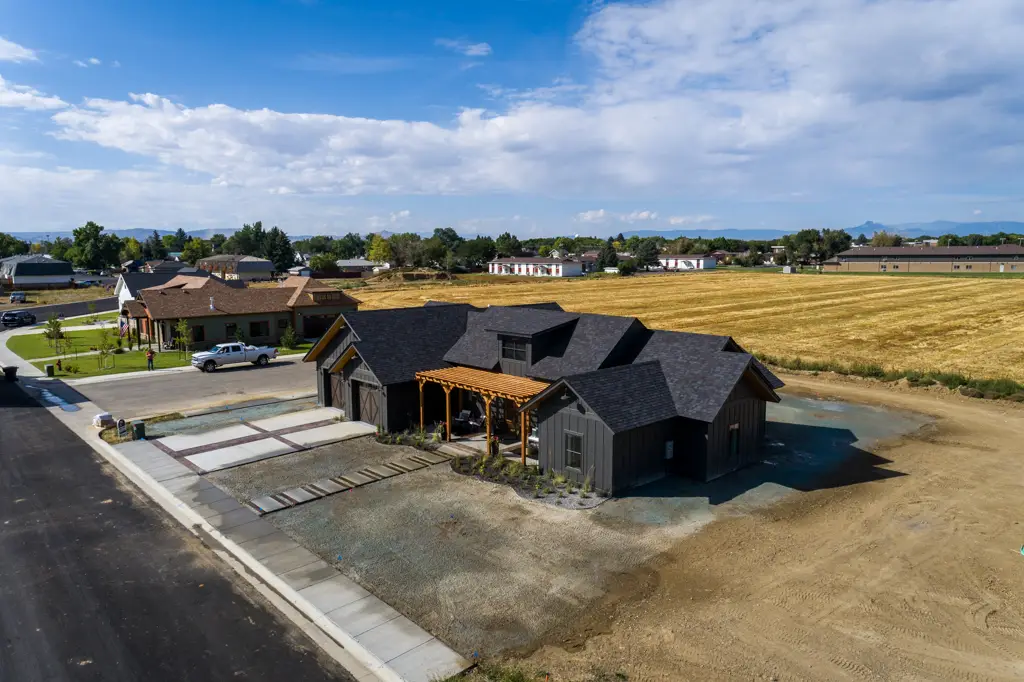
Different rooflines, exterior finishes, landscaping, and architectural details create visual interest without making the neighborhood feel disconnected.
New communities can achieve a similar effect through a thoughtful balance of consistency and individuality.
Homes don’t need to look identical to complement one another. In fact, allowing for different floor plans, elevations, and exterior details can help create a more natural streetscape.
For buyers, this means finding a home that reflects their personal preferences while still feeling like part of a larger neighborhood.
Streets and Sidewalks Shape Everyday Life
The way a neighborhood is laid out affects much more than how it looks on a map.
Street connections, sidewalks, pedestrian routes, and the placement of homes all influence how residents experience their surroundings.
A thoughtfully planned neighborhood can make everyday activities feel more natural, whether that’s taking an evening walk, spending time outside, or simply enjoying the view from your front porch.
These details may seem small during the homebuying process, but they can make a meaningful difference once you move in.
When exploring new home communities in Wyoming, it’s worth looking beyond the individual property and considering how the entire neighborhood is designed.
Green Spaces Give a Community Room to Breathe
Open space can be one of the most defining characteristics of a neighborhood.
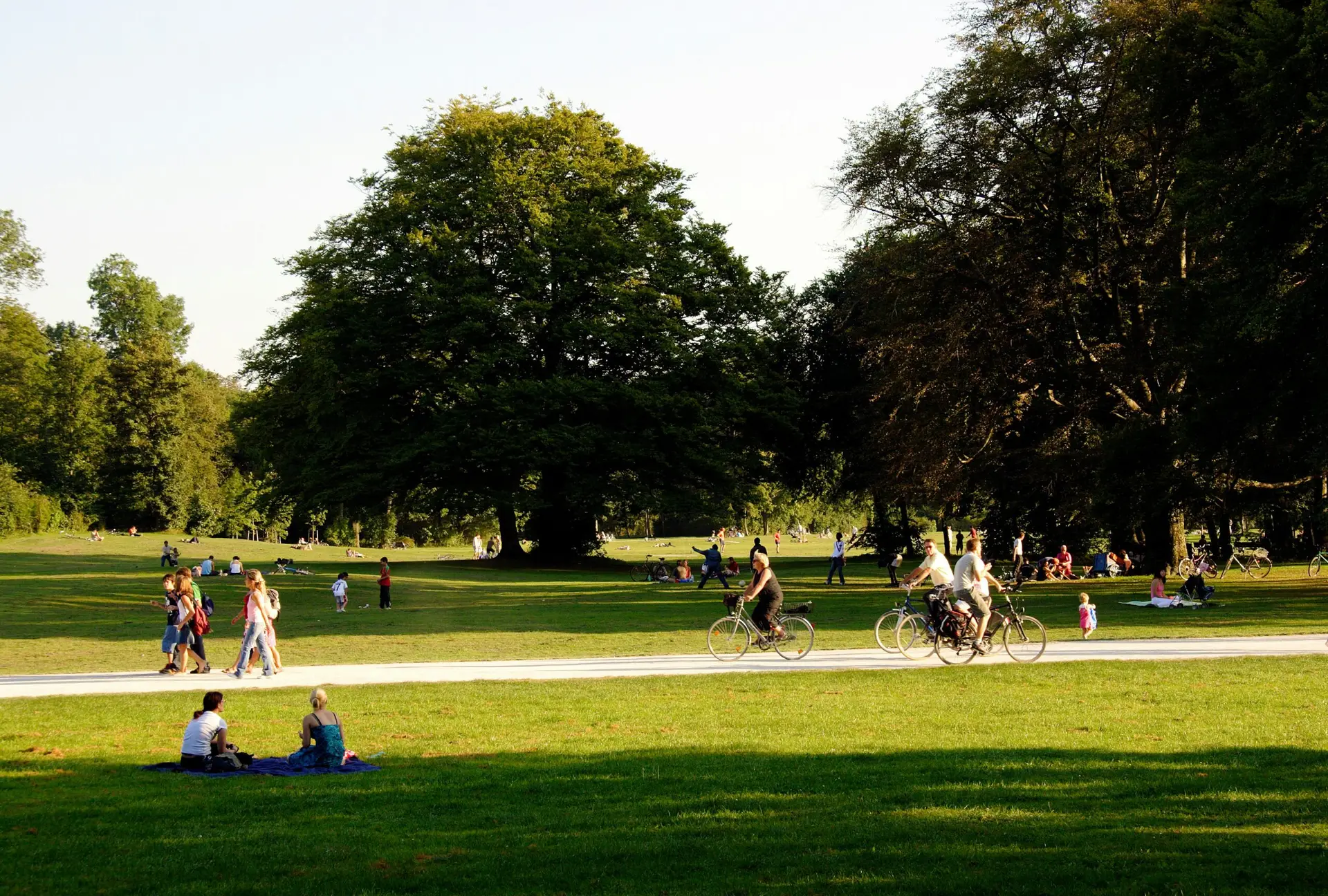
Whether it’s a landscaped common area, a walking path, or a larger natural setting, these spaces can provide visual relief from homes and streets while creating opportunities for outdoor enjoyment.
They can also help a community feel more connected to its surroundings.
This is especially relevant in Wyoming, where access to outdoor recreation and appreciation for the natural landscape are important parts of the lifestyle.
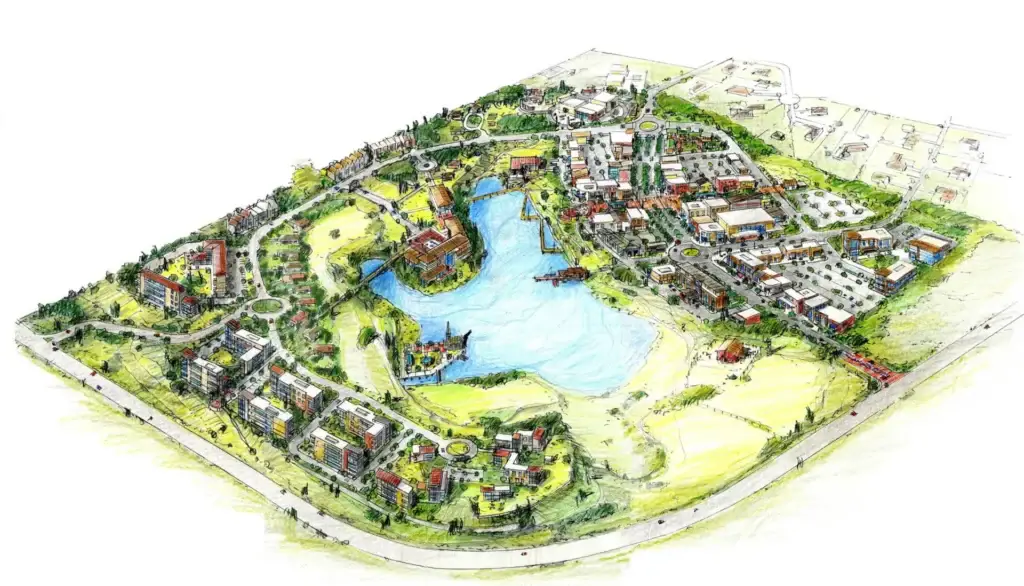
At Story House Village in Sheridan, the community vision includes planned open spaces, trails, and gathering areas designed to complement its residential setting.
As with any developing community, buyers should review which amenities are currently available and which are planned for future phases.
A Sense of Community Starts With Everyday Interactions
An established neighborhood isn’t defined only by mature trees or older homes. It’s also shaped by the people who live there.
Familiar faces, friendly conversations, and simple interactions between neighbors gradually create a sense of belonging.
While those relationships take time to develop, neighborhood design can help create opportunities for them.
Front porches, pedestrian-friendly streets, and shared gathering spaces can encourage residents to spend time outside and interact naturally.
Of course, no community can guarantee close relationships between neighbors. But creating an environment where those connections can happen is an important part of thoughtful planning.

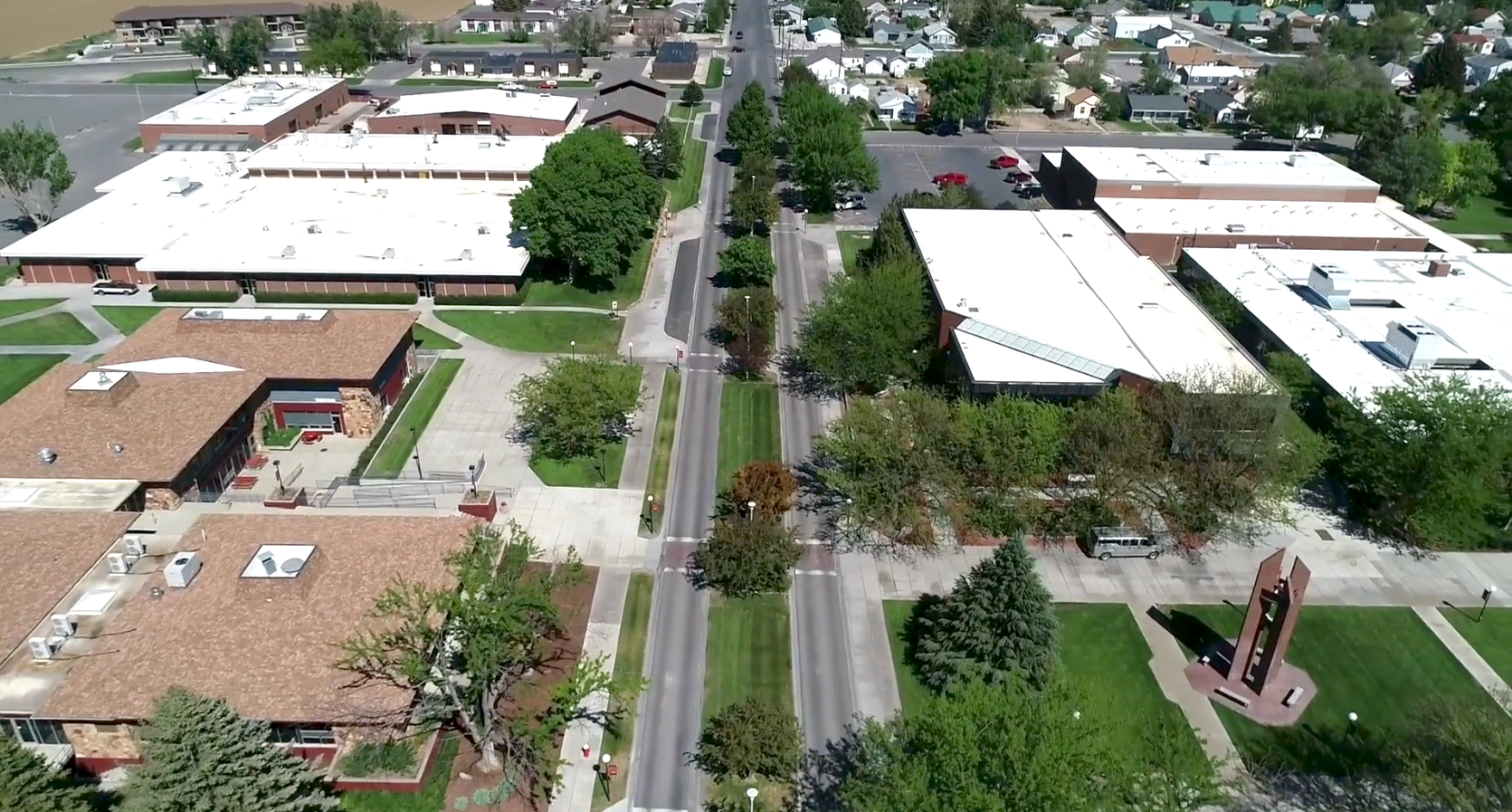
The Surrounding Location Matters, Too
A new neighborhood doesn’t exist in isolation.
Its connection to the surrounding town, nearby services, schools, shopping, recreation, and everyday conveniences can influence how established it feels.
That’s one reason the location of a new development deserves just as much attention as the homes themselves.
Story House Village is located in Sheridan, Wyoming, a community known for its historic downtown, outdoor recreation opportunities, and connection to the Bighorn Mountains.
For buyers considering new construction homes in Sheridan, the opportunity is to enjoy a newly built home while becoming part of a town with an existing identity and history.
The homes may be new, but the surrounding community already has a story of its own.
New Doesn't Have to Mean Starting From Scratch
One of the biggest misconceptions about buying in a new development is that everything has to feel unfinished or unfamiliar.
While landscaping takes time to mature and neighborhoods naturally evolve as more residents move in, thoughtful planning can establish a strong foundation from the beginning.
Architectural character, well-considered streets, outdoor spaces, and connections to the surrounding area can all contribute to a neighborhood’s identity.
The best new home communities aren’t necessarily trying to recreate an older neighborhood. They’re creating the conditions for a welcoming community to develop its own character over time.
Discover a New Chapter at Story House Village
A great neighborhood is about more than the age of its homes. It’s about how the homes, surroundings, and people come together to create a place where residents can feel at home.
At Story House Village in Sheridan, Wyoming, the vision is to create a thoughtfully planned residential community that brings together quality homes, neighborhood character, and opportunities for connection.
Harvell Homes is proud to offer homebuilding opportunities within Story House Village, helping buyers find a home that fits their lifestyle while becoming part of a growing community.
Interested in making Story House Village your home? Explore Story House Village to learn more about available homes, homesites, and the community’s vision for the future.